Discovery can start online
A business buyer may first encounter a product through a website, marketplace or social channel. Clear product categories and straightforward descriptions help that buyer decide whether an inquiry is worth pursuing.
For a wholesale business, an online catalogue can support product discovery without replacing the commercial discussion that follows. Quantity, specification and destination often need to be understood before a useful quotation can be prepared.
A digital catalogue should make the next commercial conversation easier.
Build content around real questions
Product content should help visitors understand what is being shown and what remains to be confirmed. Use readable names, suitable images and concise descriptions. Keep availability statements separate from illustrative examples.
An inquiry form can carry the selected product into the conversation, ask for quantities in an explicit unit, and collect destination and timing information. These details give the business a more useful starting point.
Make the online listing useful to a business buyer
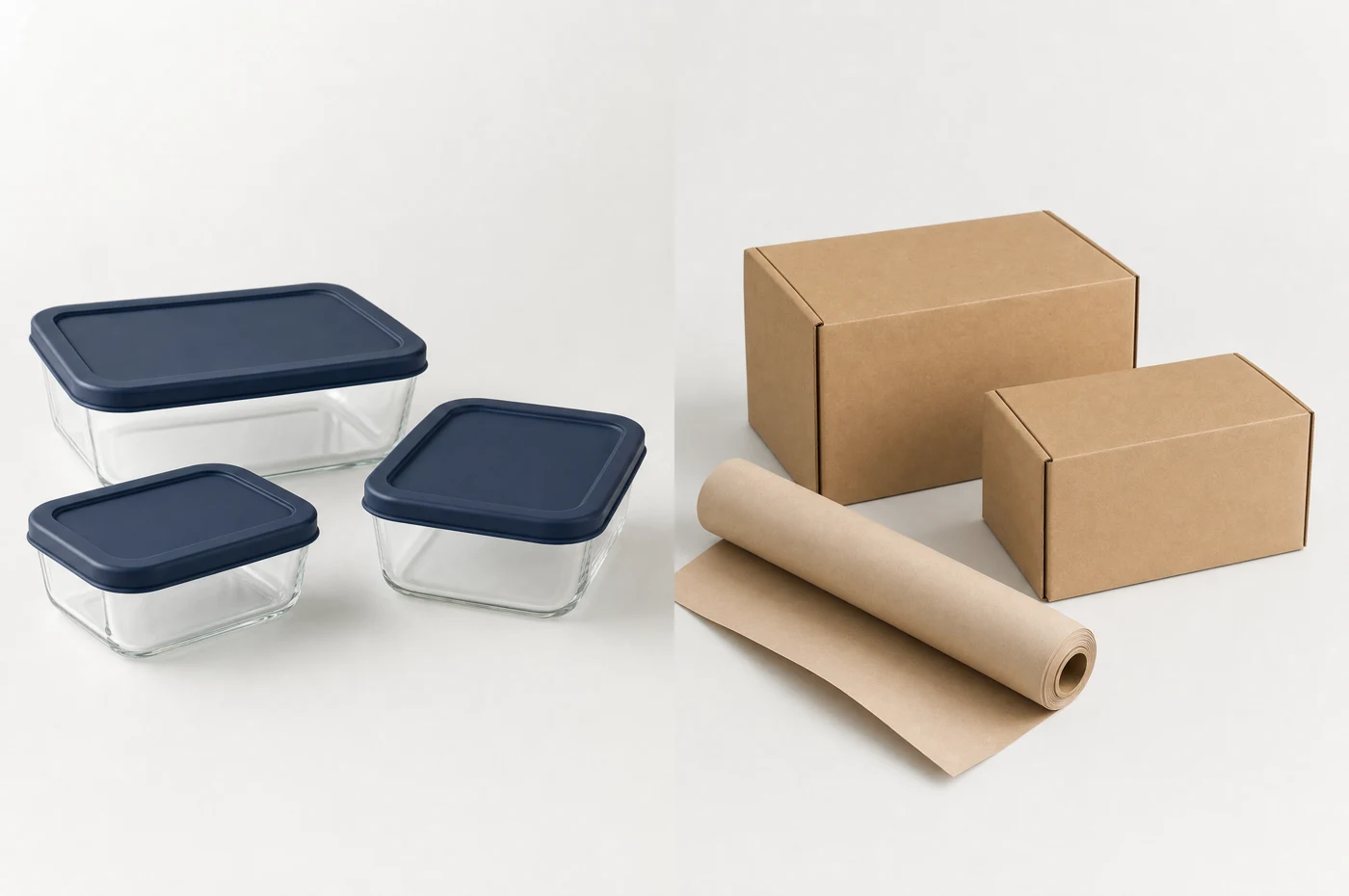
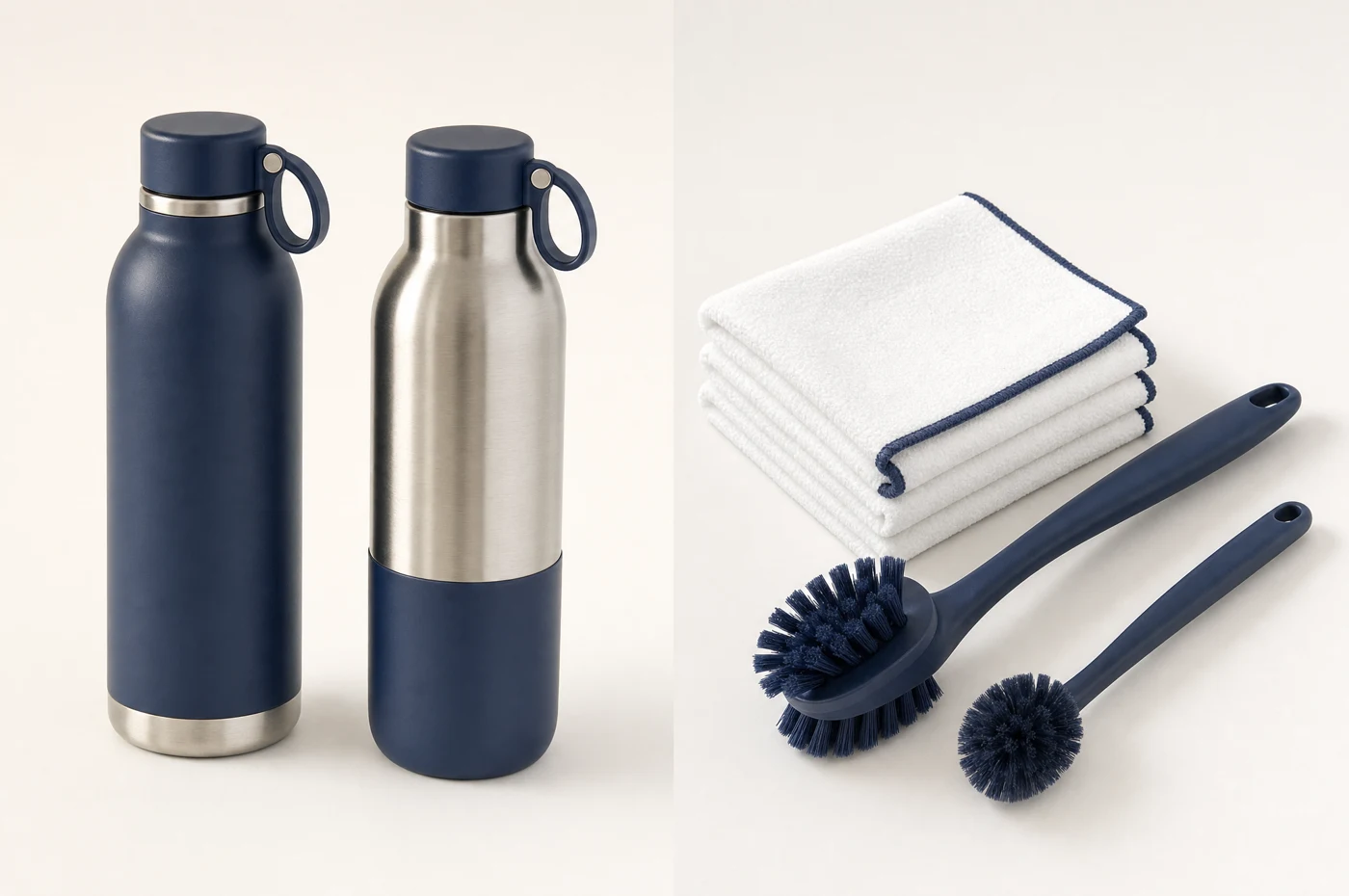
A useful listing connects a recognisable product name to its category, intended use and inquiry action. Images should help the visitor identify the example being discussed. They should not create an impression that a particular brand, pack size or specification has been confirmed when it has not.
For a retailer considering kitchen products, the next question might concern dimensions, materials and quantities. For a software buyer, it may concern the number of users, existing systems and licensing term. Adapting the inquiry to the product makes the website more useful than a single message box with no context. It also helps the receiving team identify what needs to be clarified.
Keep the quotation and fulfilment steps clear
A request for a quotation is an invitation to discuss a requirement. It is not an order confirmation or a promise of stock. The website should explain that distinction at the point where the visitor takes action, especially when a catalogue contains illustrative product examples.
Once an inquiry moves to email or another agreed channel, retain the selected product, quantity or licensing scope, destination and contact details. Record the subsequent specification and commercial terms in a form both parties can reference. For RAAMZION, the journey is browse, review the product, specify requirements and request a quote. Software listings follow that sourcing process; they do not provide instant downloads.
Connect the channels
Email and messaging can complement a website when they preserve the product context. A simple handoff helps avoid asking the buyer to repeat everything from the beginning.
RAAMZION's catalogue brings product categories and inquiry options together so retailers, distributors and e-commerce businesses can introduce their requirements clearly.